
"kafa forest"
400 article(s) found

Flavor characteristics of Ethiopian Fine Coffee Ethiopian Coffee
Ethiopia is the hometown of Arabica coffee, and it is in the forests of Kaffa that you can see wild Arabica coffee. In Ethiopian, coffee is called Bun or Buna, and coffee beans (coffeebean) may be translated from Kaffa Bun. Arabica coffee was discovered early in the Harald area, probably from Kafa.
Introduction to Ethiopian Coffee, the hometown of Arabica Coffee
Ethiopia is the hometown of Arabica coffee, and it is in the forests of Kaffa that you can see wild Arabica coffee. In Ethiopian, coffee is called Bun or Buna, and coffee beans (coffeebean) may be translated from Kaffa Bun. Arabica coffee was discovered early in the Harald area, probably from Kafa.

Guangzhou Brista Coffee College how to report to Guangzhou Coffee training School Coffee training course
Professional coffee knowledge exchange more coffee bean information please follow the coffee workshop (Wechat official account cafe_style) Brista Coffee College is the only professional training institution directly under the China Special Coffee Association (SCAC), and it is also the earliest one to carry out coffee professional training in China. The training program of the college is to meet the needs of coffee professionals in various places.

Ethiopian Coffee introduction Coffee beans Coffee processing Coffee Flavor Ethiopian Coffee details
Ethiopia is the hometown of Arabica coffee, and it is in the forests of Kaffa that you can see wild Arabica coffee. In Ethiopian, coffee is called Bun or Buna, and coffee beans (coffeebean) may be translated from Kaffa Bun. Arabica coffee was discovered early in the Harald area, probably from Kafa.

Ethiopian boutique coffee introduces boutique coffee beans characteristics of Ethiopian boutique coffee
Ethiopia is the hometown of Arabica coffee, and it is in the forests of Kaffa that you can see wild Arabica coffee. In Ethiopian, coffee is called Bun or Buna, and coffee beans (coffeebean) may be translated from Kaffa Bun. Arabica coffee was discovered early in the Harald area, probably from Kafa.

An introduction to the origin of coffee-- characteristics of Ethiopian coffee taste
Ethiopia is the hometown of Arabica coffee, and it is in the forests of Kaffa that you can see wild Arabica coffee. In Ethiopian, coffee is called Bun or Buna, and coffee beans (coffeebean) may be translated from Kaffa Bun. Arabica coffee was discovered early in the Harald area, probably from Kafa.

Boutique Coffee introduces Ethiopian Coffee Yega Sheffield Coffee Sidamo Coffee Harald Coffee
Ethiopia is the hometown of Arabica coffee, and it is in the forests of Kaffa that you can see wild Arabica coffee. In Ethiopian, coffee is called Bun or Buna, and coffee beans (coffeebean) may be translated from Kaffa Bun. Arabica coffee was discovered early in the Harald area, probably from Kafa.

Other Ethiopian coffee producing areas
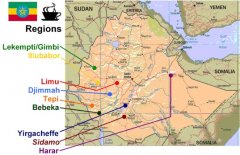
Tiebi and Beibei Card: Tiebi's altitude is 1,000 ~ 1,900 meters, Beibei Card is 900~ 1,200 meters. The second zone is located at the edge of the Kafa Forest and is the coffee producing area with the lowest average altitude in Ethiopia. It is dominated by bulk commercial beans or formula beans. There is also a lot of wild coffee in Tibby. Coffee in this area is less used as boutique or single-serve beans. Kimby and Lekamp Land: Rim heading northwest, but

Types of bean grinders for fine coffee in other Ethiopian coffee producing areas
Iron ratio to Bebeca: the iron ratio is 1000 to 1900 meters above sea level and 900 to 1200 meters above sea level. Located on the edge of the Kafa forest, these two areas are the lowest coffee-producing areas in Ethiopia, dominated by bulk commercial beans or formula beans. Tiebi also has a lot of wild coffee. Coffee in this area is seldom used as boutique or single bean. Kinby and Lekampi: Lim is heading northwest, but

Geisha coffee is from Ethiopia? Coffee flavor of Jhala Miyou Manor in Panama
Professional coffee knowledge exchange more coffee bean information please follow the coffee workshop (Wechat official account cafe_style) Panamanian coffee geisha from Ethiopia? The variety of geisha mainly comes from the Kafa forest, known as the treasure house of coffee genes, the exact location is Gesha Moutain in southwestern Ethiopia, close to the border of Sudan, up to 1700 above sea level

Introduction of Rosa Coffee, what is the price of Rosa Coffee?
Follow the caf é (Wechat official account vdailycom) and found that the beautiful cafe opened a small shop of its own. The rose variety originated from the inaccessible Mount Rosa in southern Ethiopia. The seeds of coffee were taken from Mount Rosa in 1931 and transplanted to Kenya in 1932. They were transferred to Tanzania in 1936 and Costa Rica in 1953. After that, Panama was transplanted around

Introduction of coffee bean producing areas in other coffee producing areas of Ethiopia
Iron ratio to Bebeca: the iron ratio is 1000 to 1900 meters above sea level and 900 to 1200 meters above sea level. Located on the edge of the Kafa forest, these two areas are the lowest coffee-producing areas in Ethiopia, dominated by bulk commercial beans or formula beans. Tiebi also has a lot of wild coffee. Coffee in this area is seldom used as boutique or single bean. Kinby and Lekampi: Lim is heading northwest, but

Starbucks preferred Coffee\ selected Coffee\ Collection Coffee Ethiopian Bita Manor Coffee
Professional barista exchanges please follow the coffee workshop (Wechat official account cafe_style) Collection Coffee-Ethiopia Bita Manor STARBUCKS RESERVE ETHIOPIA BITTA FARM Flavor Notes: bright red fruit, ripe bananas and bitter sweet chocolate flavors description: bananas and chocolate suitable food: banana bread, chocolate sour

What is the Elaraby card-derived species | how to distinguish Arabica from robusta beans
Professional coffee knowledge exchange more coffee bean information please follow the coffee workshop (Wechat official account cafe_style) Bun (this is the earliest human history to describe the characteristics of coffee, but also the earliest name of coffee, Ethiopia still calls coffee (Buna). The main producing area of Buna in Ethiopia comes from the Kafa forest in the southwest, with scholars and experts.

A brief introduction to the description of Coffee Flavor and aroma characteristics of Coffee Manor in Ethiopia (Moka)
Due to different planting methods, coffee can be divided into three types: forest-semi-forest coffee (Forest or semi-forest coffee), courtyard coffee (Garden coffee) and plantation coffee (Plantation coffee). 60% of the coffee belongs to forest-semi-forest coffee. In such a wild coffee forest, pesticides are not used at all, but biological methods are used to control pests. 35% of the coffee
Where is the earliest coffee in the world? which is the most primitive coffee variety?
For professional baristas, please follow the coffee workshop (Wechat official account cafe_style). Let's take a look at the history of coffee cultivation. When and how did you start growing coffee? In addition, the etymology of coffee is also related to cultivation. Coffee the birthplace of Ethiopia it is said that the first kind of coffee in the world is Arabica coffee, which is native to Ethiopia. In Ethiopia and natural forests

What are the characteristics of Ethiopian coffee? Common coffee beans
Professional coffee knowledge exchange More coffee bean information Please pay attention to coffee workshop (Weixin Official Accounts cafe_style) Front Street-Ethiopian coffee, common coffee varieties Ethiopia has unique natural conditions, suitable for planting all imaginable coffee varieties. Ethiopia's coffee beans are mainly grown as highland crops at altitudes between 1 and 1 above sea level.
The hometown of coffee-Ethiopia
Ethiopia is one of the major producers of Arabica coffee in Africa, producing the best Arabian coffee in the world. It is said that coffee was first discovered by shepherds in Essekafa, and the name of coffee evolved from Kafa, so Essex is still the hometown of coffee.

Coffee growth trainee introduction to Indonesian coffee
Coffee trees [2] like mild temperatures during the day and less than two hours of direct sunshine, so if coffee trees lack the afternoon showers or thick fog to report every day, local farmers have to plant many taller trees in the coffee garden for shade. At night, they want an environment of about ten degrees Celsius but not too low, because it is too warm

Ethiopian coffee bean flavor
Following caf é (Wechat official account vdailycom) found that Beautiful Caf é opened a small shop of its own Ethiopia is the hometown of Arabica coffee, it is in the forests of the Kaffa region that you can see wild Arabica coffee. In Ethiopian, coffee is called Bun or Buna, and coffee beans (coffeebean) may be turned from Kaffa Bun